The Problem With Fragmented Systems
Many businesses operate with separate vendors for POS software and payment processing. This creates friction:
- Reconciliation headaches
- Reporting gaps
- Increased fees
- Slower funding cycles
- Disconnected customer insights
Modern growth requires integration.
What an Integrated POS Actually Means
An integrated system combines:
- Payment processing
- Inventory management
- Sales analytics
- Customer insights
- Hardware compatibility
- Funding infrastructure
Delta1st was built to operate as one ecosystem — not a collection of bolt-ons.
Operational Benefits of Integration
Real-Time Reporting
Monitor revenue by hour, day, employee, or location.
Inventory Synchronization
Prevent stockouts and reduce shrinkage.
Customer Data Insights
Identify purchasing patterns and transaction timing to guide promotions and staffing.
Reduced Errors
Eliminate manual reconciliation between separate systems.
Industry-Guided Configuration
Delta1st doesn’t deploy generic installs. Systems are configured based on:
- Retail SKU complexity
- Restaurant table management
- Franchise reporting needs
- High-volume transaction flow
This ensures relevance — not just functionality.
Hardware That Scales
From countertop terminals to mobile handheld devices, Delta1st hardware is:
- EMV compliant
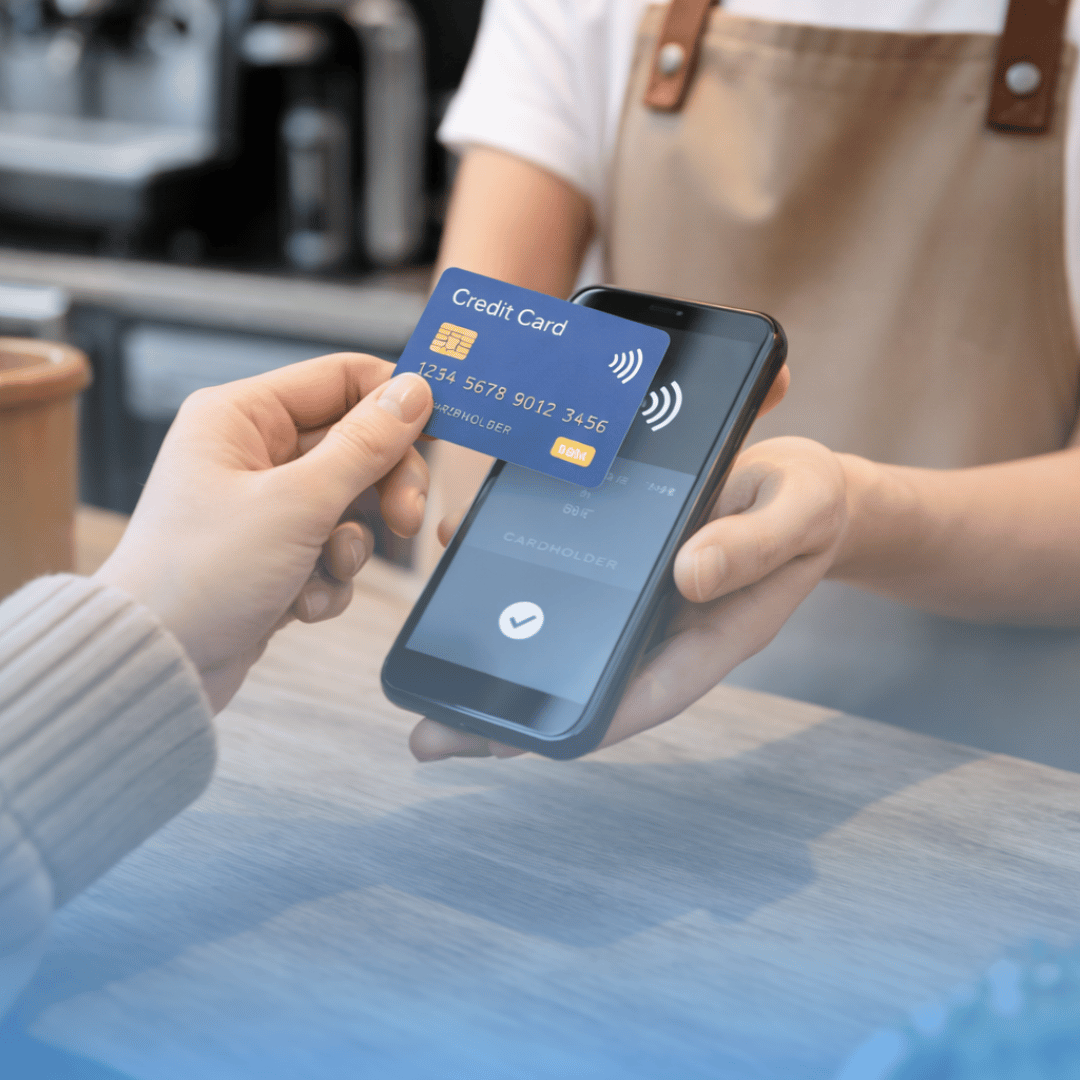
- Contactless enabled
- Cloud-connected
- Secure and PCI aligned
Technology should grow with your business, not restrict it.
The Competitive Edge
An integrated system improves:
- Cash flow predictability
- Labor efficiency
- Margin visibility
- Decision-making speed
When data, payments, and operations live under one roof, leadership decisions improve.
Take Control of Your Business Infrastructure
If you’re running disconnected tools, you’re operating below potential.
👉 See how a fully integrated solution can simplify operations and improve profitability at www.delta1stpos.com